Invictus Supply Co.
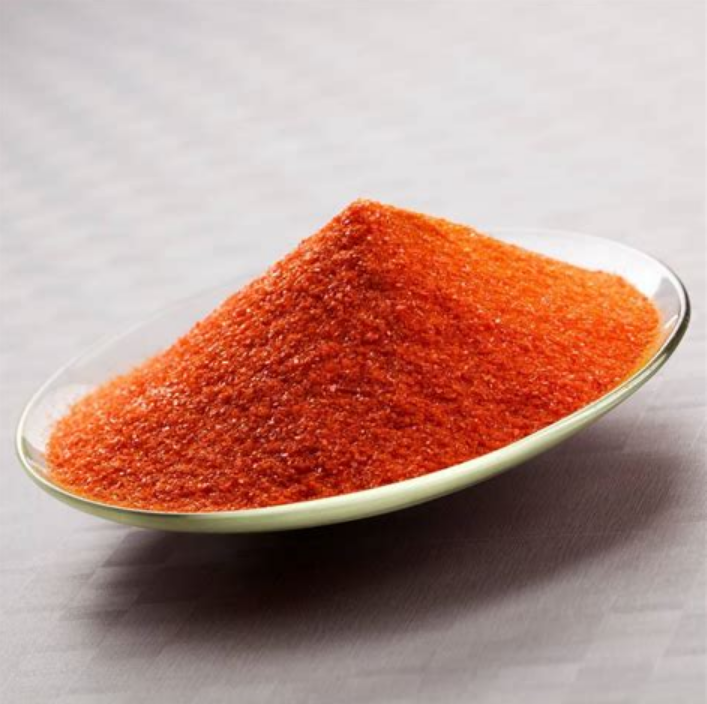
Sodium Dichromate Powder 99% Purity Lab Grade
Couldn't load pickup availability
Sodium Dichromate: An Overview
Sodium Dichromate is a powerful chemical compound widely used in various industrial applications. With a purity of 99%, our Sodium Dichromate Powder is lab grade, making it ideal for analytical work, laboratory experiments, and industrial processes. It is a versatile compound known for its oxidizing properties, which makes it valuable in the synthesis of other chemicals and in the dye industry.
This compound also finds applications in electroplating, wood preservation, and as a corrosion inhibitor. The Sodium Dichromate serves as a crucial intermediate in the production of chromium-based compounds and is often utilized in the leather tanning process. Below are some key features of Sodium Dichromate Powder:
- High purity level of 99%, ensuring reliability in lab experiments.
- Effective oxidizing agent widely used in various chemical reactions.
- Essential in electroplating and surface treatment processes.
- Utilized in leather tanning and textile dyeing industries.
Due to its potent nature, handling Sodium Dichromate requires strict safety measures and appropriate protective gear. This compound is classified as hazardous, and proper disposal methods must be followed. Therefore, understanding the properties and applications of Sodium Dichromate is critical for safe and effective use.
When working with Sodium Dichromate, it is essential to note that its strong oxidative capabilities can lead to reactions with various substances. This characteristic allows it to act as a catalyst in numerous chemical processes, enhancing efficiency and outcomes. Additionally, research continues into the potential eco-friendly alternatives to Sodium Dichromate, reflecting the industry's move towards sustainable practices.
Furthermore, when using Sodium Dichromate, one must be mindful of the regulations surrounding its use and disposal, as it is subject to environmental laws due to its toxicity and potential carcinogenic effects. Proper training and awareness can mitigate risks associated with its handling.
Share